_edited.png)
Real Estate Predictions That Could Change Everything

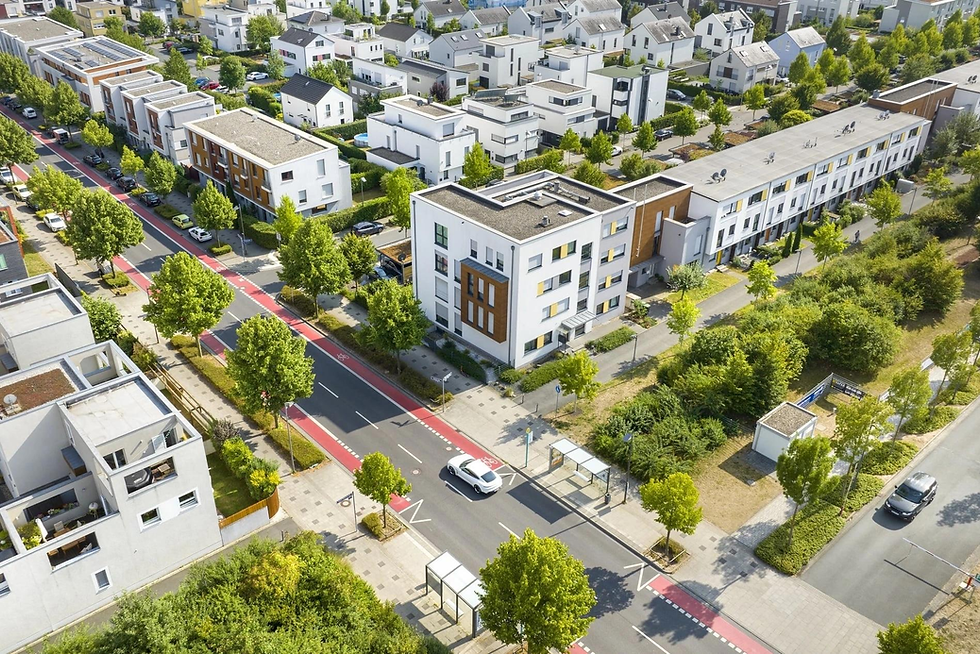
The real estate industry is constantly evolving, shaped by economic trends, technological innovation, demographic shifts, and changing lifestyles. While no one can predict the future with complete certainty, several emerging trends have the potential to dramatically transform how people buy, sell, build, and live in homes over the coming decades.
1. Smart Homes Will Become the Standard
Today's smart devices are often viewed as upgrades, but future buyers may expect them as standard features.
Homes could routinely include:
AI-powered energy management
Smart security systems
Automated climate control
Voice-controlled appliances
Predictive maintenance monitoring
As technology becomes more affordable, connected homes may become the new normal rather than a luxury.
2. Sustainability Will Drive Home Values
Environmental concerns and rising utility costs are increasing demand for sustainable housing.
Future high-demand features may include:
Solar energy systems
Energy-efficient construction
Battery storage technology
Water conservation systems
Net-zero energy capabilities
Homes that reduce environmental impact may command stronger resale values and attract a larger pool of buyers.
3. Remote Work Will Continue Shaping Housing Demand
The rise of remote and hybrid work has already changed where many people choose to live.
Future impacts may include:
Increased demand for home offices
Growth in suburban and rural markets
Flexible floor plans
Multi-purpose living spaces
Location preferences may continue shifting away from traditional employment centers.
4. Multi-Generational Living Will Increase
As housing affordability challenges persist and populations age, more families may choose multi-generational living arrangements.
Homes designed for:
Aging parents
Adult children
Extended family members
could become increasingly popular.
Features like separate entrances, dual living spaces, and accessory dwelling units (ADUs) may see growing demand.
5. Housing Technology Will Accelerate Construction
Innovations in construction may significantly reduce building costs and timelines.
Emerging technologies include:
3D-printed homes
Modular construction
Robotics-assisted building
Advanced building materials
These developments could help address housing shortages and improve affordability.
6. Aging Populations Will Influence Design
Many countries are experiencing aging populations, creating demand for homes that support long-term independence.
Future homes may increasingly feature:
Single-level layouts
Wider doorways
Smart health monitoring systems
Accessible bathrooms
Universal design principles
Accessibility may become a mainstream design consideration rather than a niche feature.
7. Data and Artificial Intelligence Will Influence Buying Decisions
AI tools are rapidly changing how consumers search for homes.
Future buyers may benefit from:
Personalized property recommendations
Predictive market analysis
Virtual property tours
Automated valuation tools
AI-assisted negotiations
Technology could make the home-buying process faster, more efficient, and more informed.
8. Lifestyle Communities Will Continue Growing
Buyers increasingly seek communities that match their interests and lifestyles.
Future developments may emphasize:
Walkability
Wellness amenities
Outdoor recreation
Sustainability initiatives
Community engagement
People may place greater value on neighborhood experiences rather than just the home itself.
Challenges That Could Shape the Market
Several factors could also influence future housing trends:
Interest rate fluctuations
Housing supply shortages
Infrastructure development
Climate-related risks
Population migration patterns
Economic growth and employment trends
These forces will continue to affect affordability, demand, and investment opportunities.
Final Thoughts
The future of real estate will likely be defined by technology, sustainability, changing demographics, and evolving lifestyles. While no prediction is guaranteed, the trends emerging today suggest that tomorrow's homes will be smarter, more efficient, more flexible, and better aligned with how people live and work.
For buyers, sellers, investors, and homeowners, staying informed about these shifts can help identify opportunities and prepare for a rapidly changing real estate landscape.


Comments